
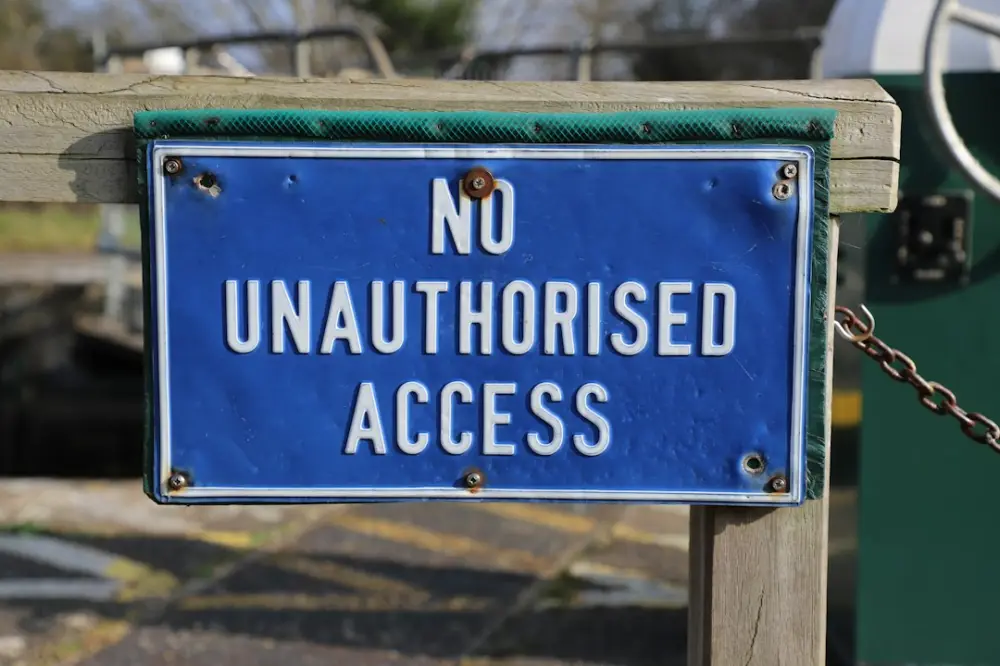
Public records access limitations are legal and procedural restrictions that prevent the disclosure of certain government-held information. While transparency is the default, exemptions protect sensitive data like private medical records, ongoing law enforcement investigations, and trade secrets. These boundaries ensure that public oversight does not compromise individual privacy or national security interests.
Understanding these limits is critical for anyone tracking a court case or researching judicial history. It helps set realistic expectations for what information is available via the clerk's office and what remains shielded from public view by statute or court order. Identifying these barriers early prevents wasted effort during the discovery or reporting phases of legal research.
Defining Public Records and Access Rights
The foundation of public access in the United States rests on the principle that the work of the government belongs to the people. At the federal level, the Freedom of Information Act (FOIA) codifies this right, while various state-level "Sunshine Laws" or Public Records Acts perform similar functions for local government and state courts. These laws generally establish a presumption of openness: if a record exists, it should be accessible unless a specific legal reason justifies its withholding.
In the context of the judiciary, public records include dockets, filed motions, transcripts of open hearings, and final judgments. For example, if a researcher wants to view the transcript of a 2026 sentencing hearing in a local district court, that document is typically a public record. Understanding how judicial process transparency improves legal literacy allows researchers to interpret these docket entries more effectively and recognize when a document has been intentionally omitted from the public file.
Common Legal Exemptions to Disclosure
Transparency is rarely absolute. Legislatures and courts have carved out specific categories of information that are exempt from public disclosure to prevent harm. One of the most common exemptions involves personal privacy. Records containing Social Security numbers, home addresses of court officials, or private medical histories are frequently shielded. In a 2026 civil litigation case involving a workplace injury, for instance, the court may redact the plaintiff’s specific medical diagnostic codes to protect their privacy under HIPAA-related standards, even if the rest of the filing remains public.
Another significant exemption involves law enforcement records. Information that could interfere with an ongoing investigation, reveal a confidential source, or endanger the life of an officer is protected. Trade secrets and commercial financial information also fall under this umbrella. If a corporation is involved in a patent dispute, the court may seal specific technical blueprints or proprietary code to ensure the litigation process does not destroy the company’s competitive advantage in the marketplace.
Procedural Hurdles: Fees, Timelines, and Formats
Even when a record is legally "public," procedural barriers can make it difficult to obtain. These are not always intentional efforts to hide information; often, they are the result of administrative backlog or outdated technology. Many jurisdictions charge per-page fees for copies or hourly rates for the time a clerk spends searching for archived files. In the federal system, the PACER (Public Access to Court Electronic Records) system remains a primary example, where users are billed for every search result and document page viewed, creating a financial barrier for high-volume research.
Timelines also present a major hurdle. While laws often dictate a specific window for responding to requests—usually 10 to 20 business days—agencies frequently invoke extensions due to the volume of requests. When agencies delay, fOIA requests: documenting administrative gaps in judicial timelines can reveal where the process is stalling. For example, a request for historical records from a rural county courthouse may take months if the records are stored in a physical warehouse and require manual retrieval by a limited staff.
First steps for navigating records access hurdles
To effectively manage the limitations of the public records system, researchers should adopt a systematic approach to their inquiries.
- Start by identifying the specific jurisdiction (local, state, or federal) to determine which laws, such as FOIA or state-level Sunshine Laws, govern the records you seek.
- The first step is to search the official court or agency website for an electronic public access portal, which may provide immediate access to non-exempt documents.
- To begin the formal request process, prepare a written inquiry that clearly defines the scope of the search, including case numbers and specific date ranges to avoid unnecessary delays.
- Next, consult the agency’s fee schedule to understand the potential costs for document reproduction or administrative search time before committing to a high-volume request.
- Finally, keep a detailed log of all correspondence with the clerk’s office to track response times and ensure compliance with legal disclosure timelines.
Balancing Transparency with Privacy and Security
The tension between the public’s right to know and the individual’s right to privacy is a constant theme in judicial administration. Security concerns often take precedence, particularly in cases involving national security or witness protection. In high-profile criminal trials, a judge may issue a protective order to keep the names of jurors confidential to prevent harassment or intimidation. This balance ensures that the trial remains fair and the participants remain safe, even if it limits the immediate transparency of the proceedings.
Juvenile records represent another area where privacy outweighs transparency. In almost every jurisdiction, records involving minors in family or criminal court are sealed by default. This is intended to prevent a permanent public record from following a young person into adulthood. A journalist looking for records on a 2026 juvenile delinquency case would find that the docket is entirely restricted, requiring a specific court order and a showing of extraordinary need to gain even limited access. More information on federal standards can be found at FOIA.gov.
Navigating Redactions in Legal Proceedings
For those tracking active litigation, redactions are the most frequent encounter with access limitations. A redaction is the intentional masking of specific information within a document that is otherwise public. When you see black bars across a paragraph in a motion, it indicates that a judge or clerk has determined that the specific text falls under an exemption. Navigating these documents requires a practical approach: look for the "redaction log" or a "Vaughn Index" in federal FOIA cases, which provides a brief justification for each piece of withheld information.
If a document is heavily redacted, it is often helpful to look at surrounding filings. Often, information redacted in a primary motion might be inadvertently referenced in a subsequent reply or an exhibits list. By cross-referencing dockets and attending open hearings, researchers can often piece together the context that the redactions were intended to obscure. This level of diligence is essential for maintaining accuracy when documenting how a case moves through the system. At Trial Tracker Blog, we focus on these nuances to help readers understand the mechanics of the court. By recognizing why certain doors are closed, you can better navigate the ones that remain open, ensuring a clearer view of judicial timelines and the administrative processes that govern them.